Proteas Women head coach Mandla Mashimbyi believes South Africa’s ICC Women’s T20 World Cup campaign has provided valuable lessons despite ending in disappointment at the semi-final stage.
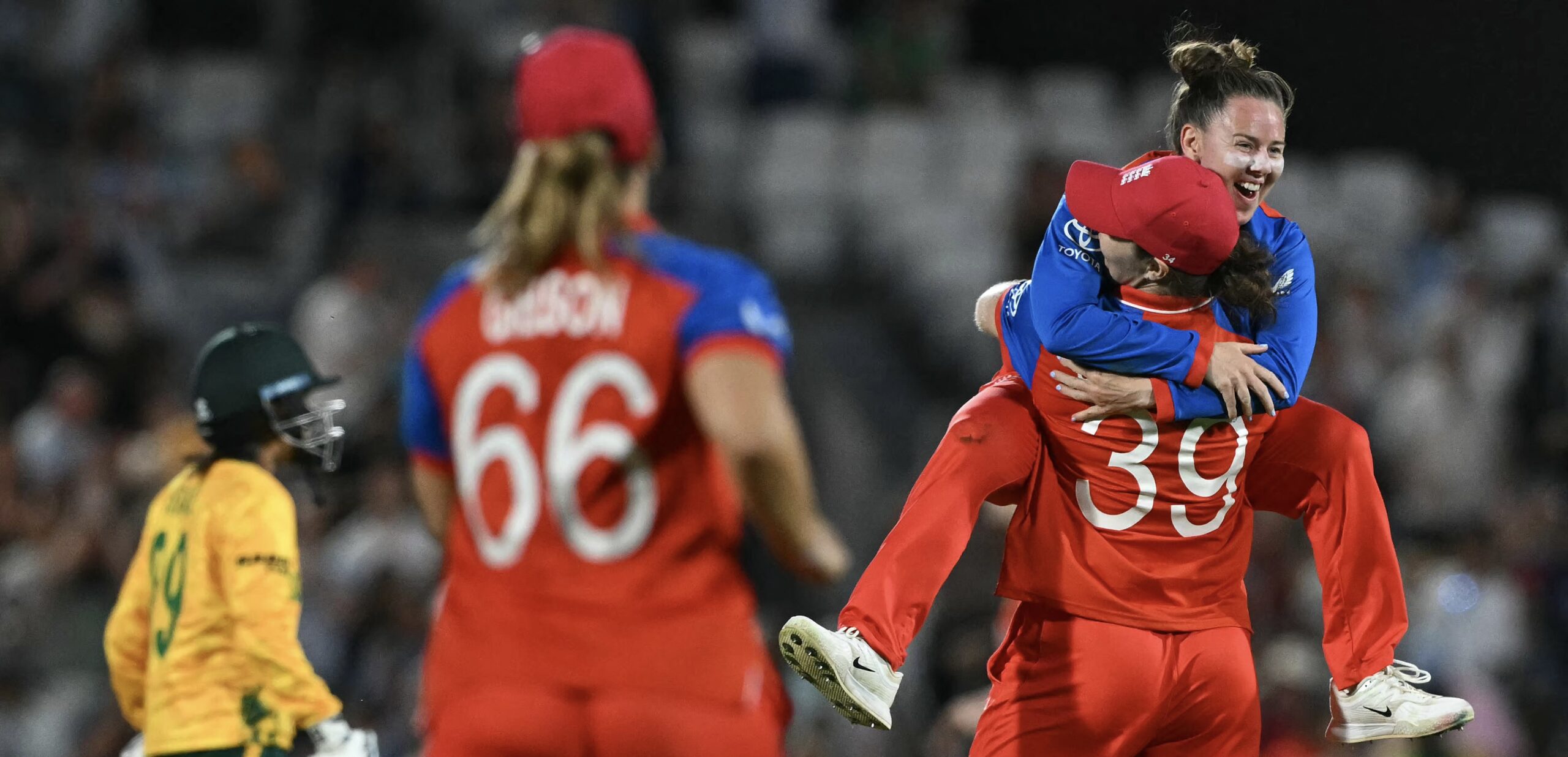
England booked their place in the final with a commanding victory at The Oval, bringing South Africa’s hopes of lifting a maiden World Cup trophy to an end.
While disappointed with the result, Mashimbyi was quick to acknowledge England’s performance.
“If you get to the semis, you must have done something right,” he said.
“We did do something right, maybe not to the best way in terms of how we wanted to do it. But at the end of the day, you want to get World Cup wins, and we did get that.”
The Proteas coach had no hesitation in praising the hosts.
“You’ve got to give credit to England.”
“I think they were really good.”
“To be fair, two of the best teams in the tournament are in the final.”
South Africa’s batting struggled to gain momentum throughout much of the tournament, a trend that continued in the semi-final.
Mashimbyi believes that ultimately proved to be the difference.
“I don’t think we batted well today.”
“It’s as easy as that.”
Reflecting on the tournament as a whole, he felt the bowling unit consistently gave the Proteas opportunities to win matches.
“With the ball we were really good throughout the campaign.”
“We managed to strike in the powerplay in most games and we managed to control the middle in most games.”
However, the batting unit never quite reached the standard the team expected.
“We didn’t probably bring our best from a batting point of view.”
“We’re way off from how we know we can play.”
Mashimbyi believes South Africa’s identity as an attacking batting side never fully emerged during the competition.
“We are a power team.”
“Today was probably testament to that in terms of us not scoring enough boundaries.”
“If you don’t score boundaries in T20 cricket, you’re going to be found wanting.”
England recovered brilliantly after losing three early wickets, with Nat Sciver-Brunt and Heather Knight combining for the match-defining partnership.
Mashimbyi credited the pair for absorbing South Africa’s early pressure before shifting the momentum.
“Sciver and Knight showed their experience.”
“They kind of absorbed the pressure and they threw it back at us.”
“When you have a big partnership like that, you’re going to hurt teams, and they did hurt us.”
Even so, the Proteas coach felt his side did well to keep England within reach.
“I thought we still did well to restrict them to 170.”
“I was looking at 190 at that stage.”
Mashimbyi also dismissed suggestions that changes to the batting order were responsible for South Africa’s struggles.
“We believe in every player that we have in the batting line-up.”
“They just need to play their role well.”
Attention will now turn to building towards future ICC events, with Mashimbyi identifying one area that could strengthen the squad.
Asked whether another frontline spinner would improve the team, he agreed.
“With another frontline spinner, we will be better off.”
At the same time, he praised the impact of Shabnim Ismail after convincing the fast bowler to return from retirement for the tournament.
“We’ll never find another Shabnim.”
“It was about bringing that X-factor into the bowling attack.”
“Shabnim and Kapp can put any team under pressure with a new ball.”
Mashimbyi said the next challenge is ensuring South Africa develops the next generation of bowlers capable of making a similar impact.
“The biggest thing is to go back to the drawing board and make sure that we’ve got players coming through that are going to do, if not similar, or better.”
Despite the disappointment of another World Cup exit, Mashimbyi rejected the idea that the team should dwell on the defeat.
“What pain?” he responded when asked about the mood in the dressing room.
“You just lose and you learn.”
“We’ve learned a lot in this World Cup.”
His focus is already on ensuring South Africa returns stronger at future global tournaments.
“We’re going to make sure that we put things in place that’s going to make us even more dangerous, even better as a team.”
“We know where our gaps are.”
“It’s about the work that we put in going forward and making sure that when we get an opportunity to play another World Cup or ICC tournament, we’re sitting at the same table as the other teams.”